Wednesday, May 8, 2019

Infectious Diseases Conference 2019

Zika virus and public policy


Tropical Medicine Congress | Tropical Medicine Conference | Infectious Diseases Conference | Tropical Medicine Meetings | Infectious Diseases Congress | Infectious Diseases Meetings

Zika virus, a mosquito-borne infection, has captured international attention after news of devastating complications in pregnant women. While early attention focused on events in Brazil, Zika has spread northward and is anticipated to spread further into the United States. While local transmission has not yet occurred in the continental United States, the country has nevertheless seen over 1,000 cases of Zika, resulting from infections acquired either as a result of travel to an affected country or through sexual contact with a traveller. Here in Texas, 68 cases of Zika have already been confirmed, 20 of which are in Harris County.
Understandably, much attention has focused on the unique challenges affecting pregnant women infected with the disease. However, Zika presents broader policy implications that merit our attention. At Baylor College of Medicine Center for Medical Ethics and Health Policy, we are very interested in larger hospital and health agency policies that are critical in light of the unique characteristics of this infection.
These policies are especially important in Houston, a city with a world-class medical center comprised of multipleaedes-aegypti-mosquito-featured-image institutions. Surprisingly, there is no medical-centre-wide consensus on how to address the anticipated influx of Zika infections. This is particularly concerning given the anticipated increase in mosquito activity during the summer months. Some of the important policy issues surround tissue donation and a potential deferral policy for donors, and surveillance to track the long-term effects of infection on young children who are still undergoing significant development in areas of the body the disease is most likely to impact.
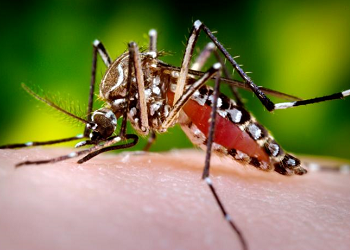
Given that there is much we don’t know about Zika, clinicians, researchers, and policymakers will have to work together to confront the virus. By working together, these important groups can contribute their expertise to policy decisions related to other mosquito-borne diseases that affect patients, including chikungunya and dengue.
In an increasingly globalized world, cities like Houston that have a tropical climate and conditions suitable for disease vectors are particularly vulnerable to outbreaks and will need an informed, unified plan to address them. This collaborative, multi-disciplinary and multi-institutional work is vital to protecting and promoting the health of area residents, now and in the future.
Source:https://blogs.bcm.edu/2016/07/19/zika-virus-and-public-policy/

Tuesday, May 7, 2019

Tropical Medicine Conference 2019


What are Neglected Tropical Diseases?
Looking Ahead: Innovation for NTD Elimination and Control 
Tropical Medicine Congress | Tropical Medicine Conference | Infectious Diseases Conference | Tropical Medicine Meetings | Infectious Diseases Congress | Infectious Diseases Meetings


The World Health Organization (WHO) prioritizes 17 neglected tropical diseases (NTDs) (Figure 1) that affect over a billion of the world’s poorest people and pose a significant economic burden to developing economies (scabies was just added to the list in June of 2014, bringing the count to 18). NTDs are a heterogeneous group of infections caused by parasites, viruses, and bacteria. What makes NTDs different from non-neglected diseases is that these diseases are disablers rather than killers. Indeed, these infections are co-endemic: an individual may be infected with more than one NTD in addition to other well-known diseases such as HIV, tuberculosis, and malaria. For example, the parasite infection schistosomiasis can make women and girls more susceptible to HIV infection, saps micronutrients and iron from developing children to stunt their growth, and renders children less likely to attend school. A chronic helminth parasite infection known as lymphatic filariasis (LF) may reduce vaccine efficacy by broadly modulating the immune system. LF causes severe swelling (lymphedema) in 40 million people rendering them socially stigmatized and largely unable to work. In addition to schistosomiasis and LF, many more NTDs are characterized by chronic disabilities, increased susceptibility to infectious and non-infectious diseases, social stigma, and an economic burden on the individual, the family, and the country.
Figure 1
NTDs don’t just affect low- and middle-income countries, although their victims are often socioeconomically disadvantaged. Cysticercosis, echinococcus, toxocariasis, Dengue virus, West Nile virus, and Chagas disease all have appeared in the United States, disproportionately afflicting the poor. Peter Hotez of the Sabin Vaccine Institute and Baylor College of Medicine has estimated that half of the 20 million people living in poverty in the US are infected with at least one NTD.
.
Since the London Declaration, some successes indicate that control and eradication are possible. Colombia recently became the first country in the world to eradicate onchocerciasis. Niger, Nigeria, and the Ivory Coast have also recently eradicated Guinea worm. Twenty-three countries treated at least 75% of children at risk for soil-transmitted helminth infections,  and a massive disease mapping program of blinding trachoma using mobile technology has cut the unmapped regions of the world for this disease in half.
However, we still have a long way to go. It has been estimated that of all the drugs approved for distribution, only 65-75% are reaching the people who need them. Implementation and operational research on how to carry out mass drug administrations effectively must be a priority. Even when control programs go well, they can be quickly derailed by political unrest, natural disasters like Superstorm Haiyan, or even epidemics like the ongoing Ebola outbreak that have overwhelmed the existing health systems in Liberia and Sierra Leone. Furthermore, disease boundaries for mosquito-transmitted diseases are especially sensitive to changing temperature and precipitation patterns due to climate change.
Last November in his keynote address to the American Society of Tropical Medicine and Hygiene, Bill Gates highlighted a need for global health innovations, citing the example of the new diagnostic test for human African trypanosomiasis. Gates urged the community to take the digital revolution and apply it to disease surveillance to determine where to concentrate disease-fighting efforts The Bill and Melinda Gates Foundation is a strong proponent that “big data” health care informatics solutions must be apart of efficient disease control programs, and this will represent a burgeoning area of global health research in the near future.
Source:https://blogs.plos.org

Monday, May 6, 2019

Tropical Medicine Conference 2019

Focus on global distribution, international travel, environmental factors, international relations, global health and human rights are increasing worldwide. Tropical Medicine and International Health is a multidisciplinary field including infectious and non-infectious diseases, epidemiology, parasitology, tropical medical microbiology; medical entomology, clinical diseases and medicine of the tropics, tropical public health, community medicine, travellers medicine and international health. In the present era, the challenges faced are poverty, failing public health infrastructure, poor governance and antibiotic resistance.

Tropical Medicine

Tropical Medicine is a branch of medicine that deals with the prevention and control of health problems. The field of tropical medicine has expanded to include non-communicable and infectious diseases, neglected tropical disease, HIV/AIDS, zoonotic diseases, emerging infections, travel medicine and emergency care in tropical and subtropical regions.
Tropical hygiene is concerned with the prevention and control of tropical diseases. Preventive measures of tropical hygiene have a promising impact on public and community health. Tropical hygiene through improved sanitation conditions and stringent precautions can prevent these diseases. The advice and expertise of experienced and skilled health specialists in tropical medicine are important in controlling and preventing these diseases. Through a sound healthcare system, these diseases can be diagnosed early and controlled by following hygienic conditions.
New drugs are being developed for the prevention and treatment of different zoonotic diseases such as filariasis and schistosomiasis. Development of better vaccines and improved vaccine delivery systems are targeted to eradicate various viral infections like smallpox, poliomyelitis and measles. Factors like global warming, contribute to the spread of vectors of diseases such as Zika, Dengue and Chikungunya to new areas. Travellers medicine focuses on controlling the spread of tropical diseases to other countries.

International Health

International health authorities aim at promoting health, disease prevention and clinical care in another nation. The health resources have dramatically increased through international efforts, thus, improving global health. The results of international health initiatives designed to deliver life-saving interventions on a large-scale are fruitful and official health development aid has almost tripled.
There is an impressive improvement in the process of innovating new drugs and vaccines through strategic R&D partnership. The research collaboration often involves a bilateral relationship with a high-income country. Access to health services is gradually increasing, but affordability and quality of these services need improvement. There is a need to strengthen the health systems of developing countries in par with those of developed nations. Increased migration rate and international travel have also had a major impact on health systems in both developing and developed countries. These challenges related to health demand innovative solutions and coordination of strategies across borders.
The purpose and scope of developing International health regulations are to provide public health response to prevent the international spread of diseases in ways that avoid public health risks and unnecessary interference with international traffic and trade. They are intended to have long-lasting relevance in the international response to the emergence and spread of diseases. International health regulations also provide legal help with respect to health documents applicable to international travel and transport via roads, airports, ports.
Source: www.jliedu.com

Tropical Medicine Conference 2019


Even before the recent Ebola outbreak, the lack of quality healthcare was a major challenge in Sierra Leone, leading to the country suffering some of the highest maternal and child mortality rates in the world. When a major outbreak strikes, overburdened health systems struggle to take care of other critical health issues, like making sure children are immunized against vaccine campaigns -preventable diseases.
Sierra Leone suffers some of the world’s highest maternal and child mortality rates. 2,000 women per year die in childbirth and 1 in 8 children do not reach age 5, meaning there are 30,000 child deaths per year in a country of 7 million.
In Sierra Leone, less than 60% of children receive all recommended vaccines during their first year, and urban areas have even higher vaccine dropout rates. During the Ebola outbreak, we saw even these routine immunizations grind to a halt as the healthcare system was quickly overwhelmed by the rapidly spreading virus.
Immunizations are key to preventing the spread of infectious diseases like measles, which is why it is so important to have strong data and trained public health workers to launch vaccination campaigns. With the right information, public health workers can spring into action to prevent diseases from taking hold. This is why we are focusing on improving surveillance systems and training the public health workforce in Sierra Leone.
When Ebola struck in 2014, Sierra Leone lacked an effective infectious disease reporting system and enough trained epidemiologists – or disease detectives – to stop the outbreak, which then turned into an epidemic that claimed thousands of lives.
The situation in the country has since changed. Sierra Leone now has 58 disease detectives trained through the Frontline Field Epidemiology Training Program (FETP) with an additional 23 disease detectives currently undergoing training. Trainees and graduates have already investigated more than 50 outbreaks. Sierra Leone also has an Integrated Disease Surveillance and Response (IDSR) system. The IDSR system monitors for more than 45 diseases, conditions, and public health threats. A single case of an epidemic-prone disease, such as viral hemorrhagic fever, yellow fever, or cholera, is now reported within 24 hours by local and district public health facilities to the national office of the Ministry of Health and Sanitation (MoHS) so they can take quick action.
More than 2.8 million children in Sierra Leone were vaccinated against measles during campaigns in 2016. 
The IDSR system can detect outbreaks of vaccine-preventable diseases that impact children, such as measles. In 2016, the IDSR system helped increase the reporting of measles cases, which prompted the launch of nationwide measles vaccination campaigns. We are proud to say that, thanks to this campaign, more than 2.8 million kids were vaccinated against measles in Sierra Leone.
An added benefit to stronger data is that we realized that some cases that were being reported as measles were actually rubella. Rubella is very dangerous for pregnant women and their developing babies. With this new information, pregnant mothers diagnosed with rubella can be monitored and we can advocate our partners for additional vaccine campaigns targeting rubella.
Because fast and accurate information can help us get ahead of the disease, CDC has been providing technical help to improve data quality, including rolling out the electronic IDSR (eIDSR) platform across Sierra Leone. These electronic systems can capture data on any device, including desktops, laptops, tablets, and smartphones. Most systems also have the capability to be used off-line, which is especially helpful in rural areas with poor internet connectivity. In a sign of the progress made since the Ebola outbreak, all districts are now electronically reporting their IDSR data to the national level.
Data tells us what is needed and where so that we can take quick and effective action. As Sierra Leone is demonstrating, it can help inform strategies to protect children and the communities they live in. Having better data – and people who are trained to use that data effectively – can stop outbreaks in their tracks, before they have a chance to becomeepidemics.

Friday, May 3, 2019

Tropical Medicine Conference Early Bird Registration

Tropical Medicine Conference 2019 is the only meeting where you can learn about Tropical Medicine and Infectious Diseases from a variety of perspectives, both research-based and clinical. We will discuss the newest therapeutic techniques and diagnostic tools as well as the most up-to-date research on genetic, aetiology, diagnostic, clinical aspects and novel therapies of Tropical Medicine and Infectious Diseases

Friday, April 26, 2019

Tropical Medicine Conference 2019

With the encouragement, wonderful feedback from the participants and supporters of Tropical Diseases 2018, Conference Series LLC Ltd is glad to announce "8th International Conference on Tropical Medicine and Infectious Diseases" on September 23-24, 2019 at Tokyo, Japan.
Contact us

Sunday, March 17, 2019